 BUTTOWSKY
BUTTOWSKY
BUTTOWSKY
During the course of an academic year, I developed 八尺様 as a project for my master's degree. This game represents a complex exploration of Japanese mythology, centered around the urban legend of the yokai known as Hachisakusama, a supernatural entity feared in modern Japanese folklore. Hachisakusama is typically depicted as a tall, mysterious figure wearing a wide-brimmed hat and a long dress, recognized for its relentless pursuit of children. Within the myth, this yokai evokes deep feelings of fear and vulnerability, and survival hinges upon the performance of a specific ritual capable of keeping the entity at bay.
From a gameplay perspective, the player assumes the role of a child approximately seven years old, whose small stature accentuates a heightened sense of danger and visual imbalance. This contrast amplifies the perceived size and menace of Hachisakusama, reinforcing the dynamic of predator and prey. The primary objective is to locate the ritual objects necessary for protection while simultaneously avoiding contact with the yokai. The game's dark and tense atmosphere is deliberately crafted to induce anxiety and uncertainty, mirroring the profound themes embedded in the original legend.
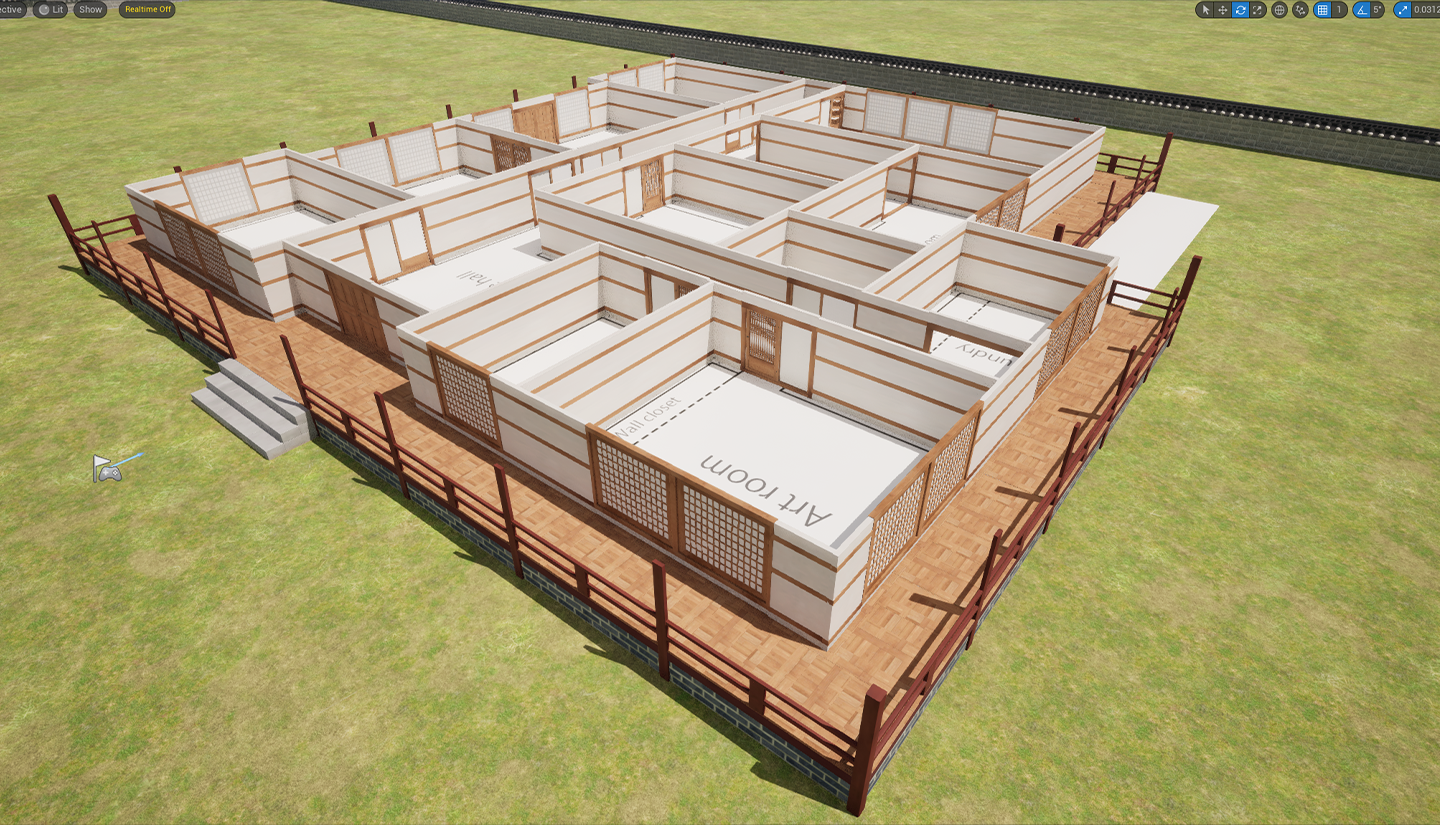
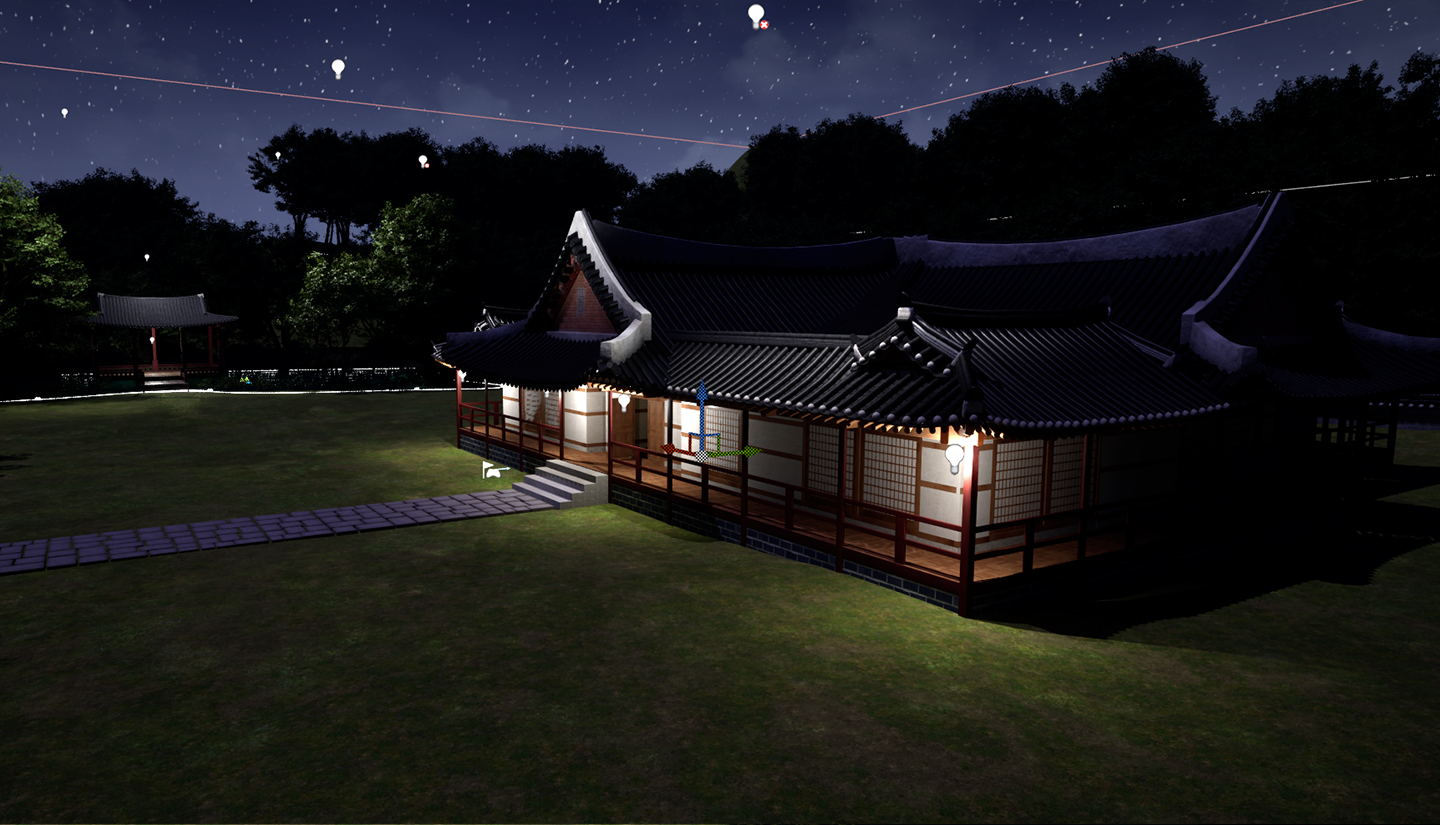
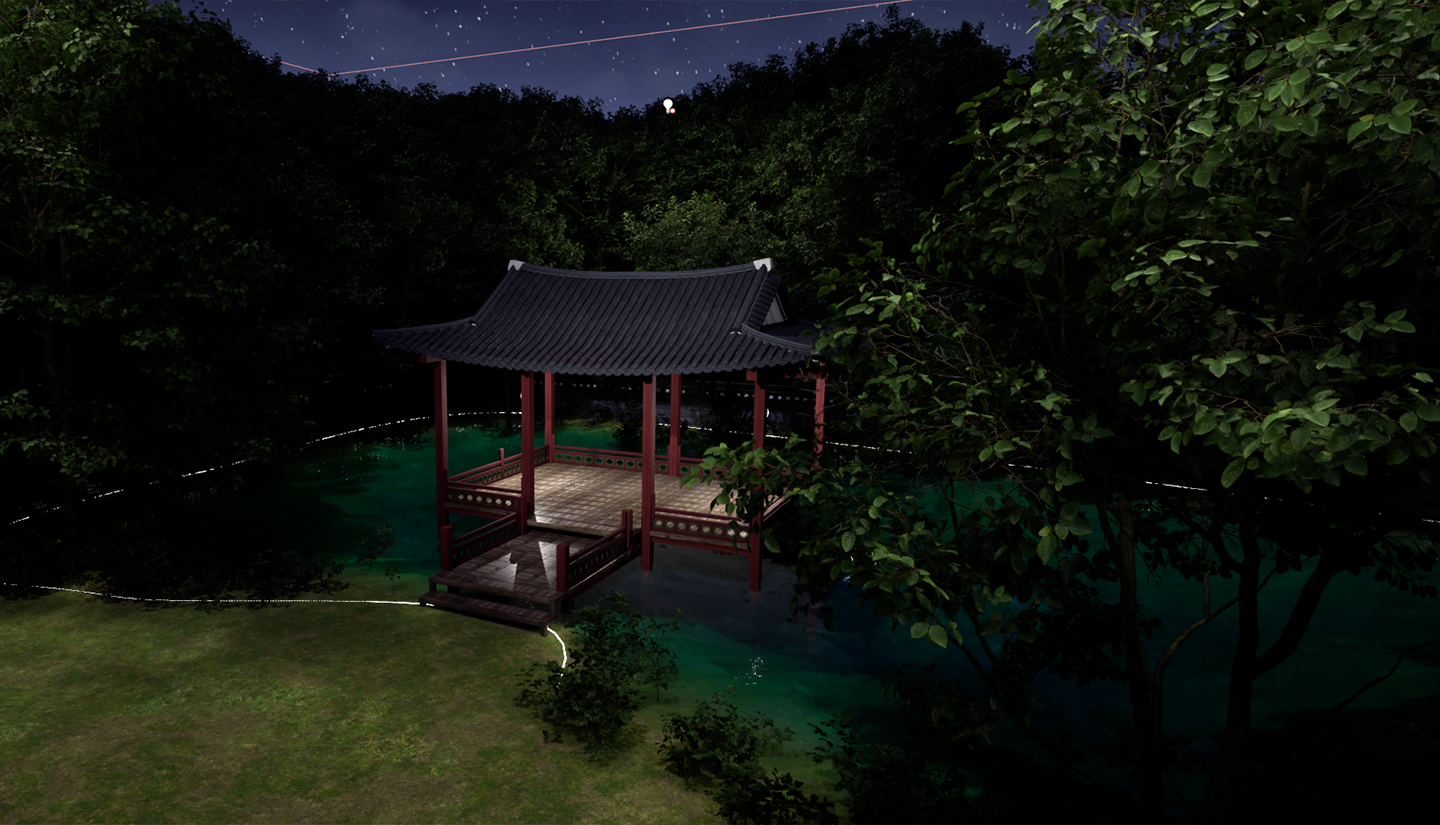
Artistically, the project draws heavily from traditional Japanese architecture to create an authentic and immersive environment. The oppressive, shadowed setting enhances the player's emotional engagement by conveying the child's desperate and precarious situation.
The game was developed through a coherent combination of specialized software tools, each contributing to distinct stages of the creative process. The modeling of three-dimensional objects and characters, as well as the creation of short animation sequences, was carried out in Blender, chosen for its versatility in generating complex forms optimized for interactive environments.
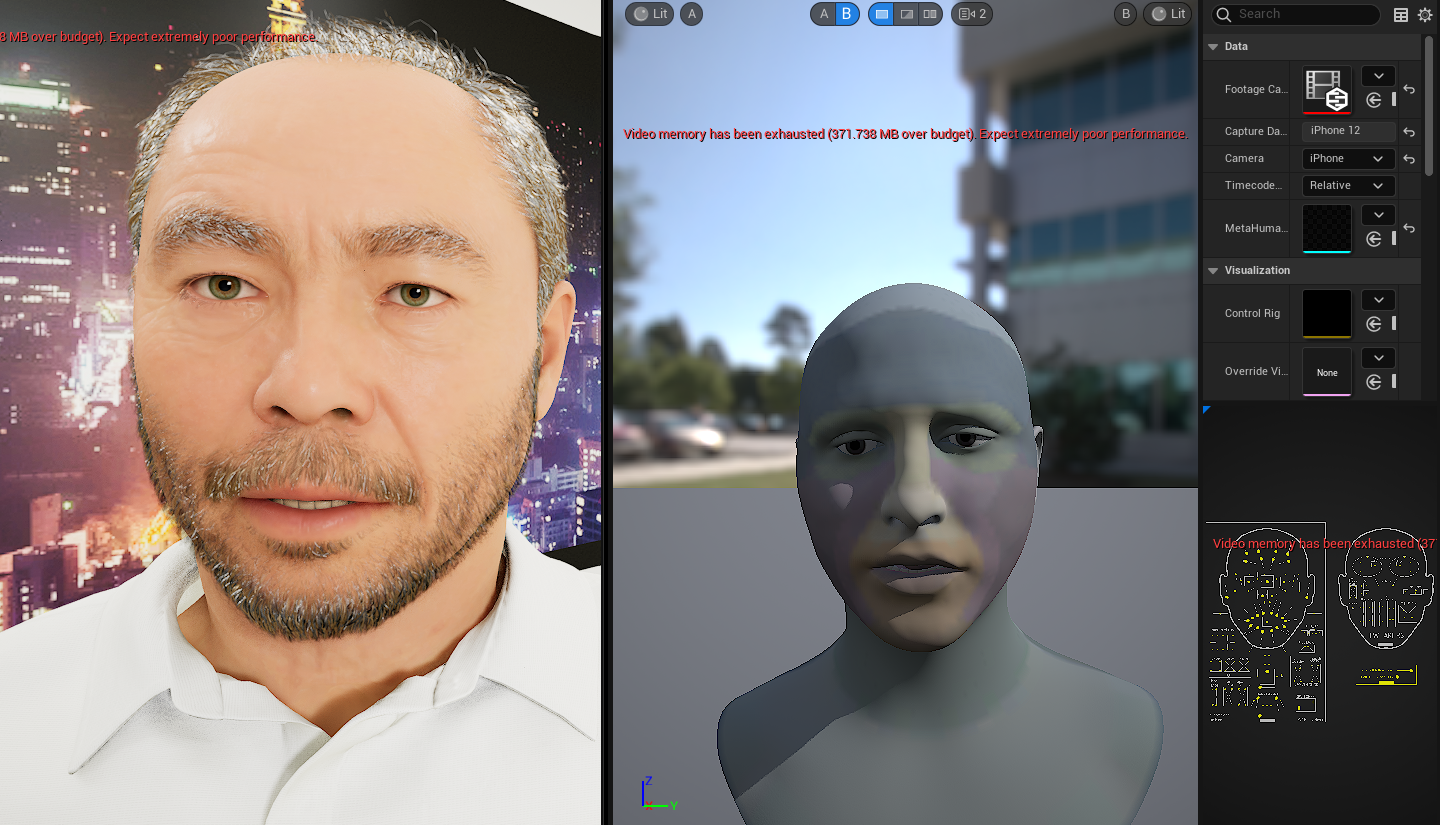
The textures associated with these models were created in Adobe Photoshop, with careful attention paid both to visual accuracy and to the aesthetic coherence of the game's overall atmosphere. The actual implementation of the project in an interactive medium was conducted in Unreal Engine, a state-of-the-art game engine that enabled the construction of gameplay mechanics through the Blueprint node-based system. This approach significantly reduced the need for traditional programming, allowing for a stronger focus on visual and interactive aspects.
Regarding the video sequences intended for the game's trailer, these were also animated and rendered within Unreal Engine, taking advantage of the engine's capability to render complex cinematic scenes in real time. The final editing of the trailer was completed in Adobe Premiere Pro, where transition effects, color adjustments, and other post-production elements were integrated to produce a smooth and compelling presentation.
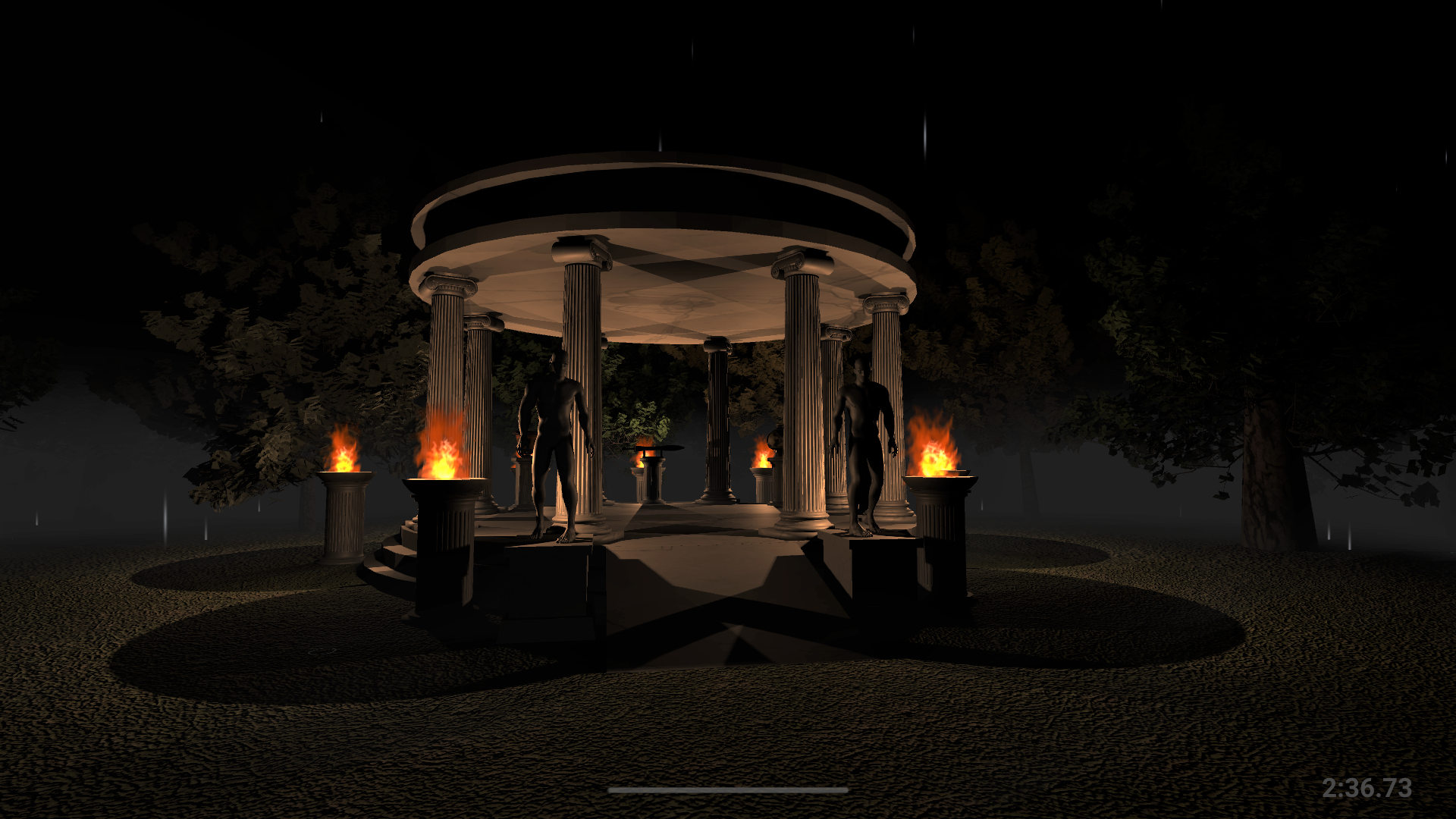
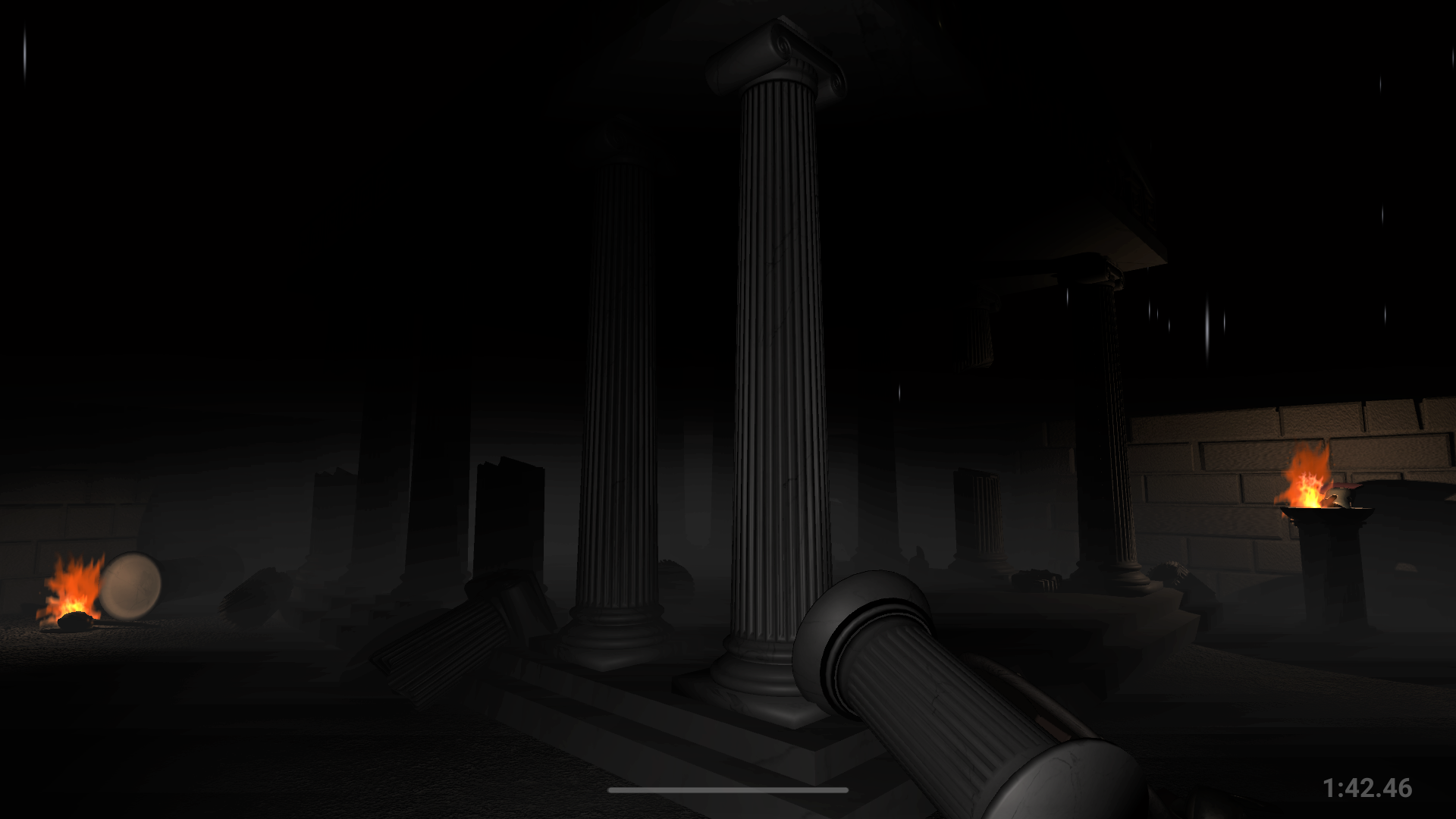
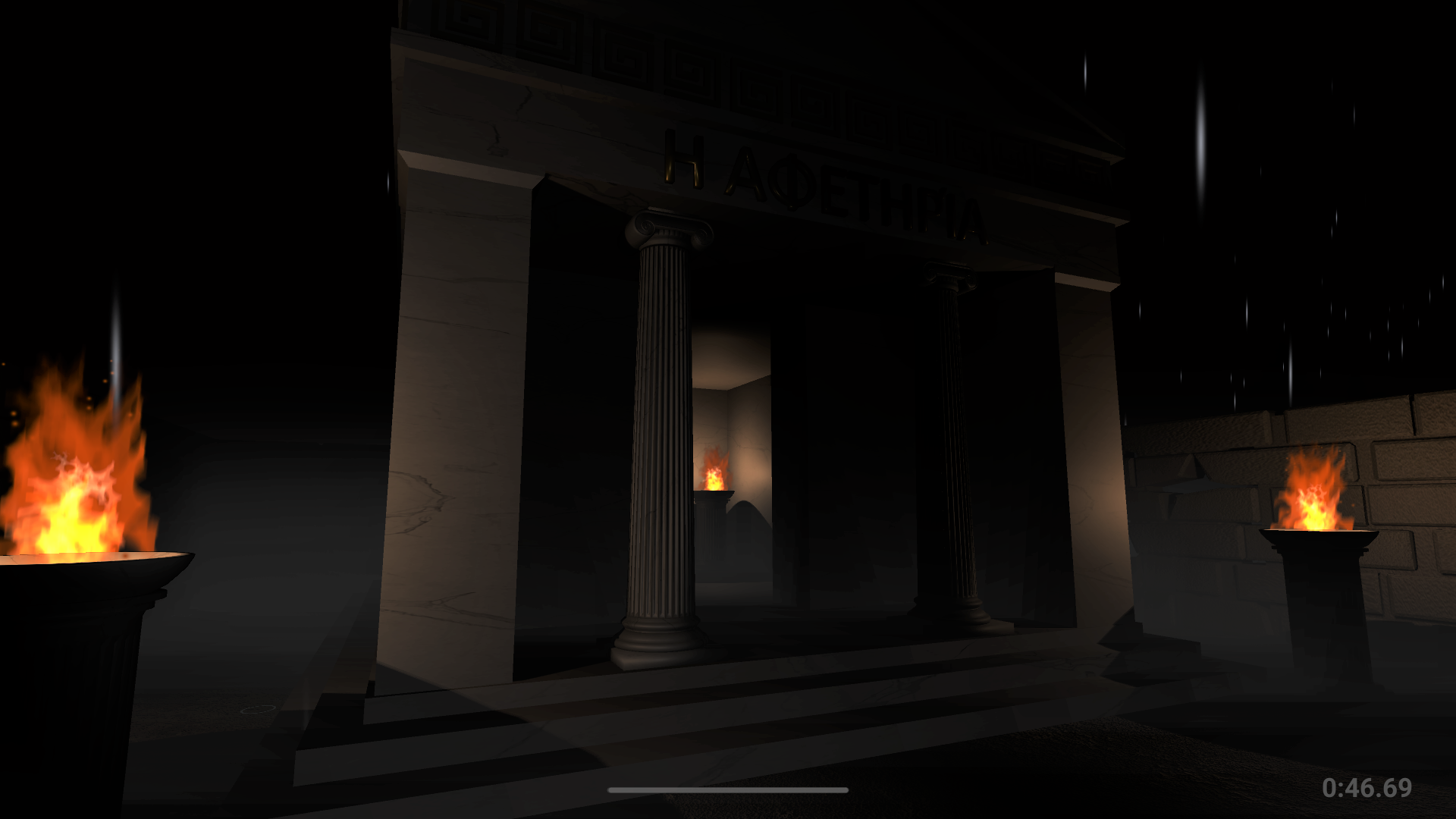
Minotaur's Maze is the culmination of a year-long academic project undertaken for my bachelor's degree. As my initial foray into game development, I utilized the Unity engine and learned programming from the ground up, which may explain any minor technical imperfections present in the final product.
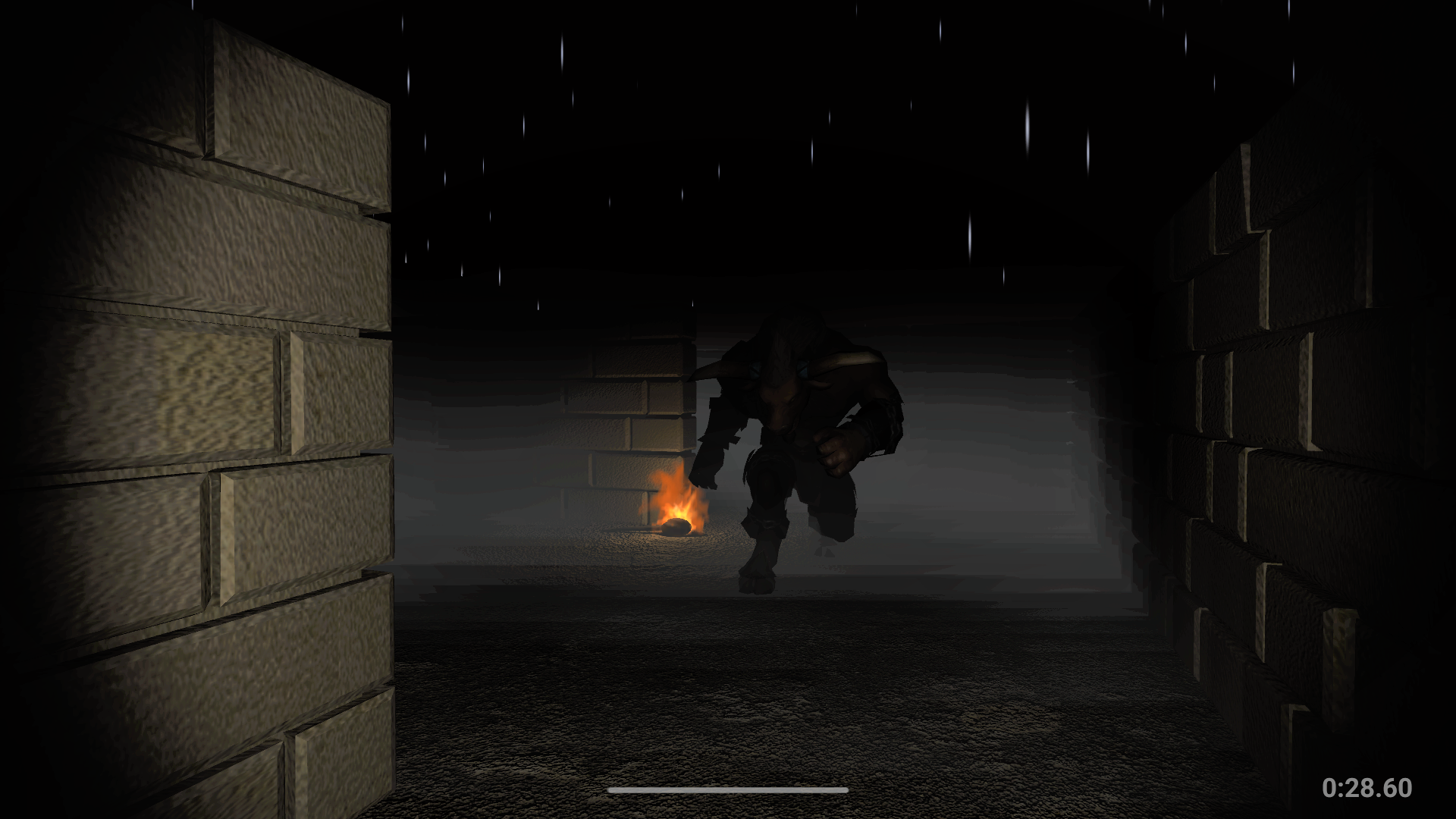
The game is thematically grounded in the rich narrative of the Greek myth of the Minotaur. Players navigate a dark, claustrophobic labyrinth, continuously pursued by the Minotaur, which serves to heighten the tension and evoke a pervasive atmosphere of horror and anxiety. This persistent threat and the oppressive environment work together to create a psychologically immersive experience, exploring themes of fear, entrapment, and survival.
Visually, the game emphasizes a somber and foreboding aesthetic, using lighting and spatial design to amplify the sensation of being hunted within the maze. The Minotaur itself represents an unrelenting force, intensifying the player's sense of vulnerability throughout the gameplay.
It is important to note that the only element I did not personally create was the Minotaur model, which I sourced from an online repository due to time constraints and technical challenges encountered during development.